
The Gentleman’s Game: Cricket, a Study in Patience, Passion, and Complexity
In the pantheon of global sports, cricket occupies a unique and often misunderstood space. To the uninitiated, it can appear bewilderingly complex, a game of arcane rules and leisurely pace that can stretch over five days and still end in a draw. But to its devoted followers, particularly across the Commonwealth, it is a profound and captivating drama. It is a game of glorious uncertainty, where individual brilliance battles collective strategy, and where patience is not just a virtue, but a requirement. This is cricket: a sport that is as much about the mind as it is about the body.
A Tapestry of Formats
Perhaps cricket’s greatest modern strength is its remarkable versatility. The sport has evolved to offer three distinct formats, each catering to a different appetite.
At one end of the spectrum lies Test cricket, the game’s original and purest form. Played over five days between two nations in white clothing with a red ball, it is a test of endurance, skill, and temperament. A single match is a narrative arc of its own, with ebbs and flows, periods of brutal aggression and quiet defence. A batter can spend hours building an innings, only to lose their concentration for a split second and be dismissed. A bowler can toil for an entire day to set up a wicket for a teammate. To the connoisseur, Test cricket is the ultimate chess match, a gripping examination of character where the final result is the culmination of a week’s worth of tension and tactical nuance.
In contrast, the One Day International (ODI) was born to bring cricket to the masses. Limited to 50 overs per side, it condenses the drama into a single, action-packed day. It requires a different skillset: batters must balance accumulation with calculated risk, while bowlers must devise strategies to contain runs and take wickets. The ODI format reached its zenith with the ICC Cricket World Cup, a quadrennial festival of the sport where nations battle for glory in a high-pressure, month-long tournament.
The newest and most explosive format is Twenty20 (T20) . Designed to be finished in under four hours, T20 is cricket for the modern age. It is a non-stop spectacle of big hits, athletic fielding, and tactical innovation. The batter’s role is to attack from the first ball, inventing shots that were previously unthinkable. The bowler’s art is in deception and variations, trying to outwit a batter intent on sending every ball into the stands. Franchise leagues like the Indian Premier League (IPL) have turned T20 into a global entertainment juggernaut, attracting the world’s best players and creating a new generation of fans.
The Individual Duel at the Heart of a Team Sport
While football is a fluid, collective dance, cricket is often a series of intense, individual confrontations that build to create a team total. At its heart is the duel between the bowler and the batter. It is a psychological and physical battle played out on a 22-yard strip of earth known as the pitch.
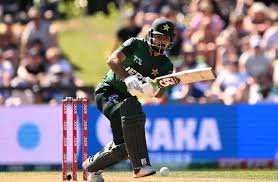
The bowler, with a run-up and a jump, hurls the ball towards the batter at speeds that can exceed 90 miles per hour, or with subtle spin that can deceive the eye. The batter, equipped with a willow bat, must decide in a fraction of a second whether to defend, attack, or leave the ball alone. Every ball is a discrete event, a mini-contest that can end in the explosive taking of a wicket or the satisfying crack of the bat finding the middle. This constant one-on-one struggle, framed within the context of the team’s larger goal, creates a unique and addictive tension.

A Global Commonwealth
Cricket’s footprint is a direct legacy of the British Empire, but the game has long since been indigenized and passionately embraced by its host nations. In India, cricket is not just a sport; it is a religion. The players are demigods, and the IPL is an annual cultural and commercial extravaganza. The passion in the subcontinent—in Pakistan, Bangladesh, and Sri Lanka—is equally fervent, with cricket providing a powerful source of national identity and joy.
In Australia and England, the sport is woven into the fabric of summer, with the historic Ashes series between the two nations representing the oldest and most storied rivalry in the sport. The West Indies, despite their recent struggles, produced the most dominant and charismatic teams of the 1970s and 80s, redefining the sport with their pace and flair. South Africa, New Zealand, and more recently, Afghanistan, have all added their own chapters to cricket’s rich and varied story.
The Soul of the Game
Beyond the statistics and the formats, cricket’s soul lies in its unique rhythms and spirit. It is a game that allows for quiet contemplation and sudden, explosive excitement. A morning session where two batters grind down the opposition can be followed by a post-lunch collapse that turns the match on its head.
It is a sport that respects its traditions—the players shaking hands at the end, the tea interval, the appeal to the umpire—while constantly evolving. The concept of the “Spirit of Cricket” is central to its identity, emphasizing sportsmanship, respect for opponents, and the importance of playing the game in the right way. This ethos, while sometimes tested in the heat of battle, remains a guiding principle.
From the hallowed lawns of Lord’s in London to the deafening, colourful cauldron of Eden Gardens in Kolkata, the game of cricket continues to thrive. It is a sport that rewards patience and understanding, and in return, it offers a lifetime of gripping narratives, unforgettable moments, and a profound appreciation for a game that is far more than the sum of its parts. It is, and always will be, the gentleman’s game.